
Discover science
Klein Bottle: Why can't Earth's water fill this magical interdimensional device?
Water on Earth, one of the planet's most precious resources, seems to be inexhaustible.
Browse ScienceInfo articles and explainers related to Earth Water.
17 published items.
Water on Earth, one of the planet's most precious resources, seems to be inexhaustible.
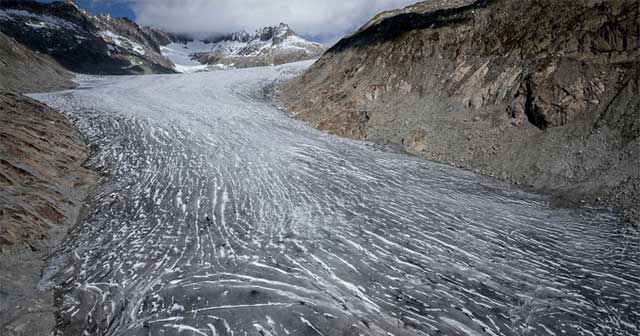
The United Nations said on October 7 that climate change is making the water cycle more unpredictable, with floods and droughts becoming more intense.
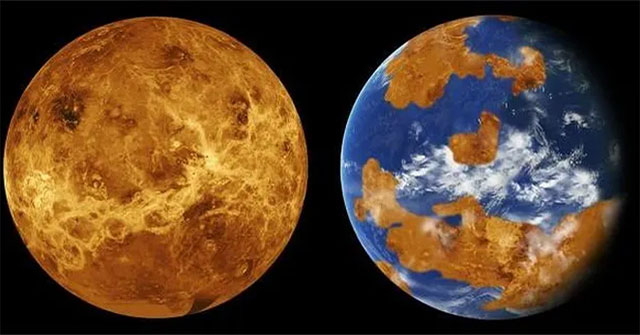
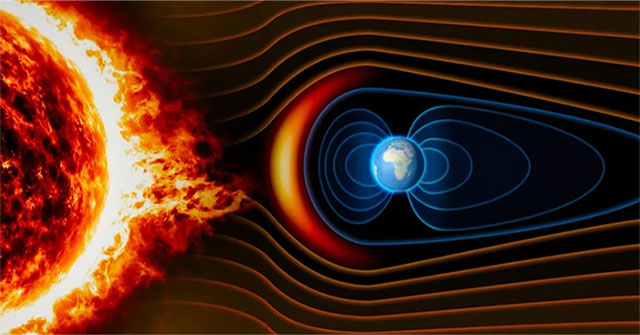
The researchers think that the solar wind produces water vapor on the asteroids. When they collide with the Earth, they provide a large amount of water.
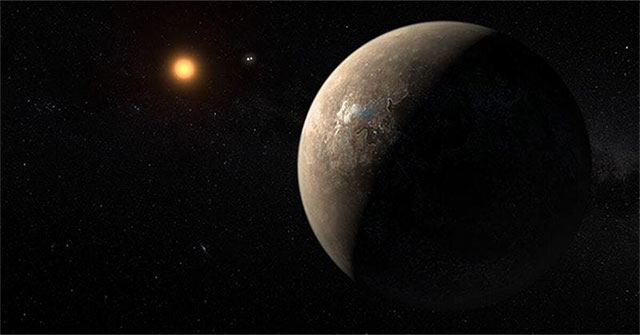
Proxima is only 4.2 light-years from Earth, probably the home of another living planet.
Over thousands of years, we still cannot understand all about the Green planet. The simple reason is because over time, everything changes.
If this process is done through a 10-meter teleport gate deep in the ocean of the Mariana ocean, it will take nearly 3 million years to drain Earth's water.
For many years, scientists have argued about the origin of water on Earth: available or brought by meteors.
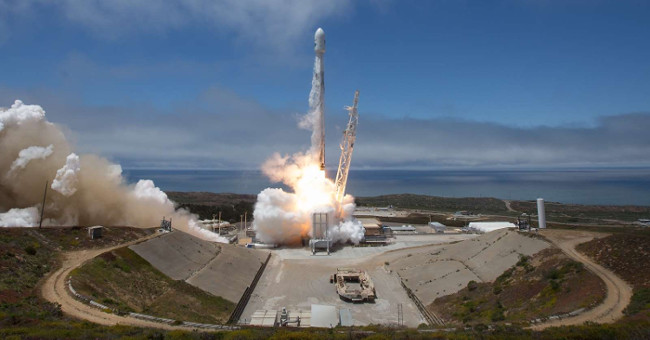
Pair of US and German satellites manufactured by Falcon 9 rocket to orbit from Vandenberg Air Force Base in California at 2:47 am May 23 (Vietnam time).
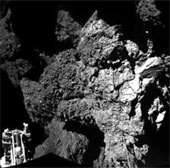
Data from the Rosetta spacecraft and the Philae robot show that comets do not bring water to the earth in the past as the scientific community previously determined.
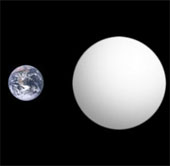
Super Earth are planets orbiting a star outside the solar system, with a larger mass and radius than Earth, but smaller than celestial bodies such as Uranus or Neptune.
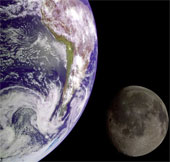
Water on the Moon and Earth can come from the same origin. Research published May 9 has led researchers to question the theory of Moon formation as well as the origin of…
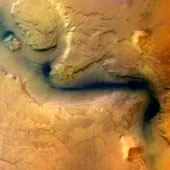
The water on Mars and Earth is of the same origin, most likely from meteorites hitting the surface of these bodies during the formation phase.

The new US space agency (NASA) has revealed that the form of water flowing on Mars is likely not the same as on Earth, but only the flow of mud.
Since the early 1990s, astronomers have found more than 300 planets orbiting sun-like stars, nearly all of which are giants like Jupiter.